Compassion
We read the room before we read the plan
Body language, tone, whether today is a talking day. We pick it up in the first five minutes and shape the shift around it rather than around what the paperwork says should happen.
 People Before Paperwork
The person who does the work
Shanny still works one on one with the people she supports and leaves the behind the scenes to later. Ring us and you get somebody who does the work. That’s deliberate, and it stays that way as Care Awareness grows.
You come first. Your goals are our goals.
How she got here
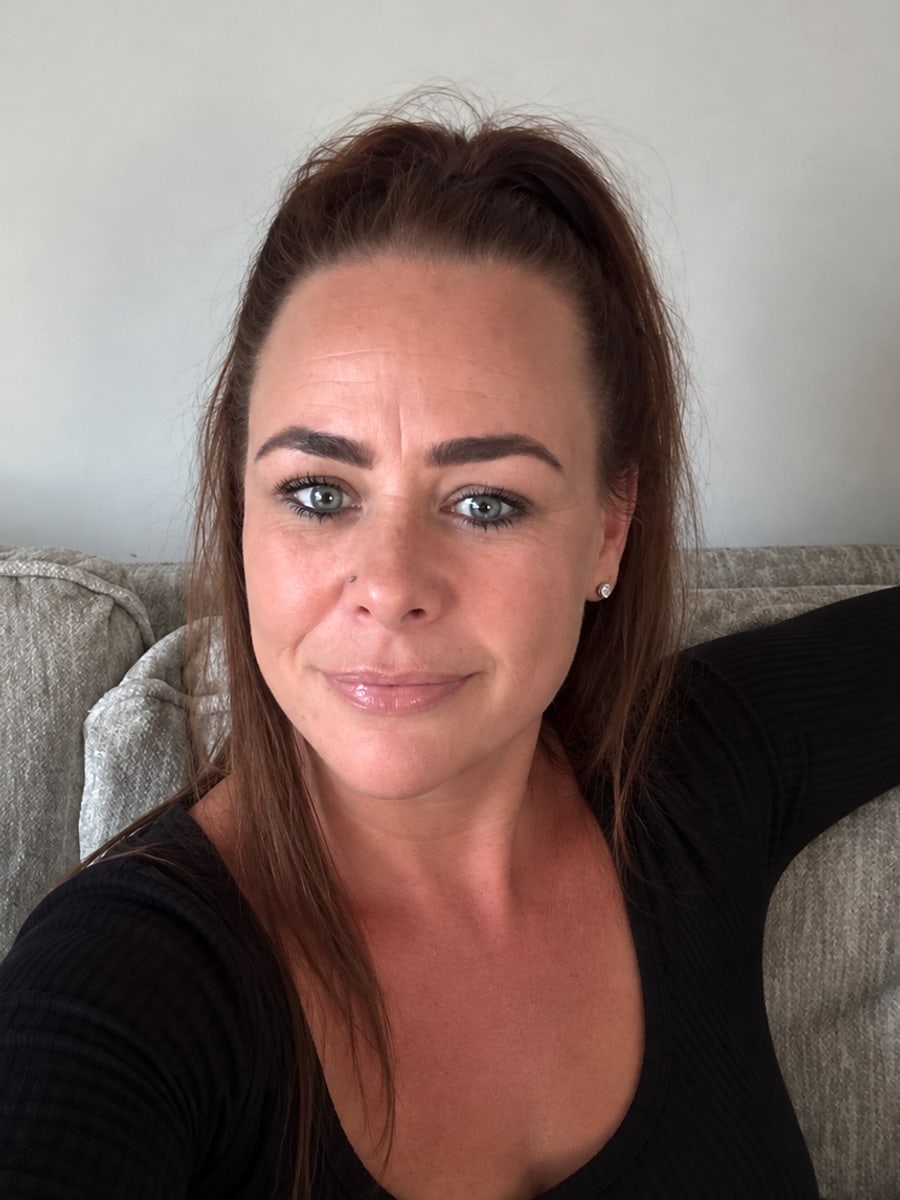
Shanny started in aged care at a multi-skilled facility at Taren Point and put her hand up for every course that came through the door. She ended up with about two pages of qualifications, a traineeship, and then the supervisor’s job on the high care ward.
Two respite rooms, and a full house. Everybody up, showered and in the dining room before breakfast, then medications, obs, appointments, activities, church and outings. She oversaw the staff and worked with the doctors and the registered nurses daily, on the medications and the notes.
From there into disability support, then a cleaning business and a fencing business, because she likes running her own show. She kept coming back to care. In 2022 she registered the name, and in 2024 she started supporting people directly on the South Coast.
On the South Coast she kept meeting the same person: someone who had been through every provider in town, or had gone months with no worker at all. Care Awareness exists for them.
“I knew every single resident. I knew all their medications. I knew what they had for breakfast. I knew how they liked their socks put on.”
Why the roster is planned a month ahead
Nothing is left to chance. Shifts are set a month out, which is why you know who is coming on the same day each week, and why a change gets a phone call rather than a surprise.
Why the name
The obvious half. Turning up, doing the work, treating people like they matter, because they do.
The half most providers skip. Reading the situation, noticing the shift in someone, and understanding how this particular person needs to be cared for today.
“You’ve got to be caring, and you’ve got to be aware of their situation and how they need to be cared for.”
Shanny, on where the name came from
How we work
Shanny wrote these down long before there was a website to put them on, along with the line the whole business runs on: we see the person before the service. Here is what each one actually looks like on a Tuesday.
Compassion
Body language, tone, whether today is a talking day. We pick it up in the first five minutes and shape the shift around it rather than around what the paperwork says should happen.
Respect
New people start with a meet and greet, not a service agreement. If it is not the right fit, or the support sits outside what we are qualified for, we say so on the day.
Integrity
If somebody is waiting on equipment, a referral or an answer, we ring until it is booked, and we tell you where it got to. That is the standard for anything anyone is waiting on.
Connection
The people we support stay with us. A hard week is a reason to read the situation again, not a reason to hand somebody on.
Empowerment
Families should not find out about approved funding by accident, and coordinators should not have to chase a report. If we know something, you know it that day.

Why she does it
Shanny has watched somebody go seven or eight months without a worker, and watched what that does to a household. Care Awareness exists so the person everyone else handed back has somewhere to go, and so the small things get done properly by someone who notices.
“It doesn’t matter what situation you’re in or where you’ve come from. If you put your mind to something and you commit to it, you can make it happen.”
How we measure it
Success gets measured by the smiles we see, the goals achieved and the relationships built. Shanny wrote that down before the business had a single staff member, and it still decides what a good week looks like.
Next step
Ring and describe what's going on. We'll tell you on the call whether we can help, and if we can't we'll usually know who can.